Most people treat summer as a gap, a pause between the real things. A time to rest, reset, and wait for September. BLC Spain students who stay in Madrid in July are doing something different. They’re using the gap as the advantage. Here’s what that actually looks like.
Madrid in July isn’t quieter. It’s more yours.
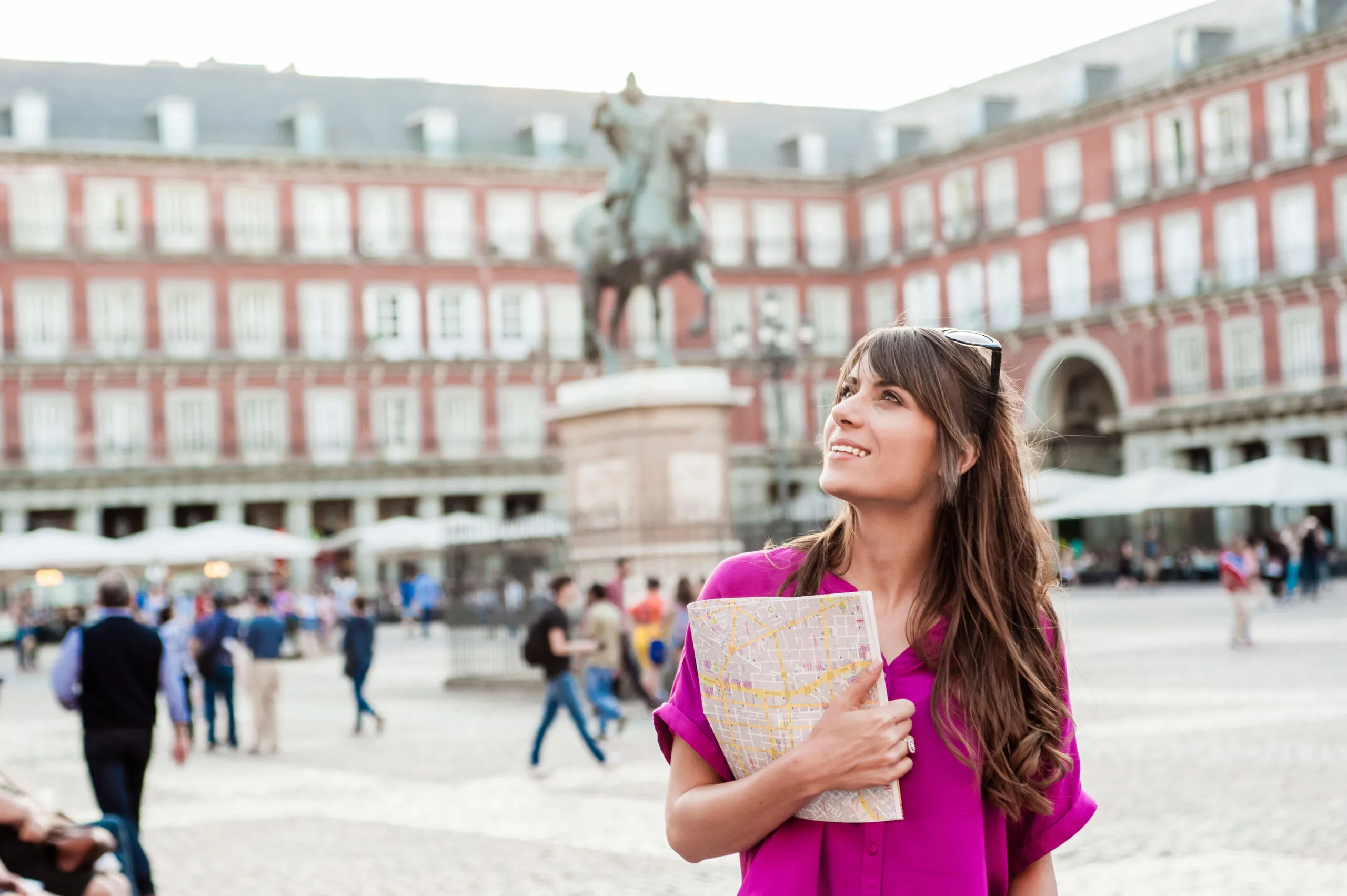
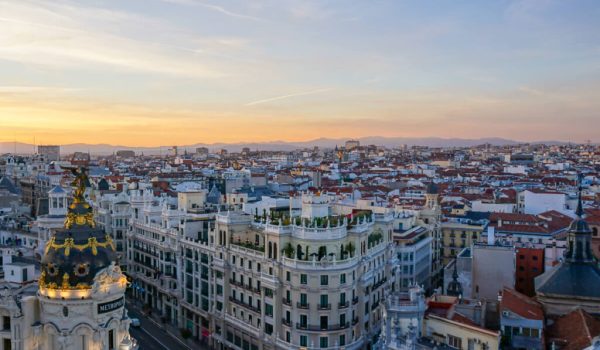
There’s a version of Madrid that most international students never see, the one that exists when the tourist season fades and the city settles into its own rhythm.
In July, restaurants have tables. Museums are emptier than at any other point in the year. The people you meet at a terrace bar or a neighbourhood café are the ones who actually live here, not passing through, not on a package tour. That access to authentic Madrid life is genuinely rare, and it’s exactly what makes July an exceptional time to be immersed in it.
For BLC Spain students, this isn’t incidental. It’s the point. The city is the curriculum, and summer is when the curriculum opens up.
Language learning compounds when you don’t stop
One of the least discussed aspects of language acquisition is continuity. The students who make the biggest jumps aren’t always the ones who study hardest in term time, they’re the ones who don’t stop when term ends.
Staying in Madrid through July means your Spanish doesn’t pause. It keeps going, in class, but also at the panadería, at the pool, at the evening terrace where you’ve become enough of a regular that the waiter already knows your order. That daily reinforcement is worth more than most people realise.
By September, students who stayed have built a fluency that students who left simply can’t replicate through study alone. The gap between them isn’t talent. It’s continuity.
Cultural fluency isn’t something you can study for
Business education teaches frameworks, models, strategy. What it can’t easily teach is cultural fluency, the instinct for how people actually communicate, negotiate, build trust, and make decisions in a given context.
Madrid in summer is a masterclass in that. The pace of business conversations here shifts in July. Lunch runs longer. Meetings happen over a glass of wine on a terrace rather than in a conference room. The formality drops, and the relationships that get built in that informal space are the ones that last.
For students who plan to build careers in Spain, in Europe, or in any international context, learning to read and navigate that cultural layer is an education that no module delivers. July in Madrid delivers it by default.
The city rewards the people who stay curious
There’s something specific that happens to students who spend a full summer in Madrid. They stop being visitors.
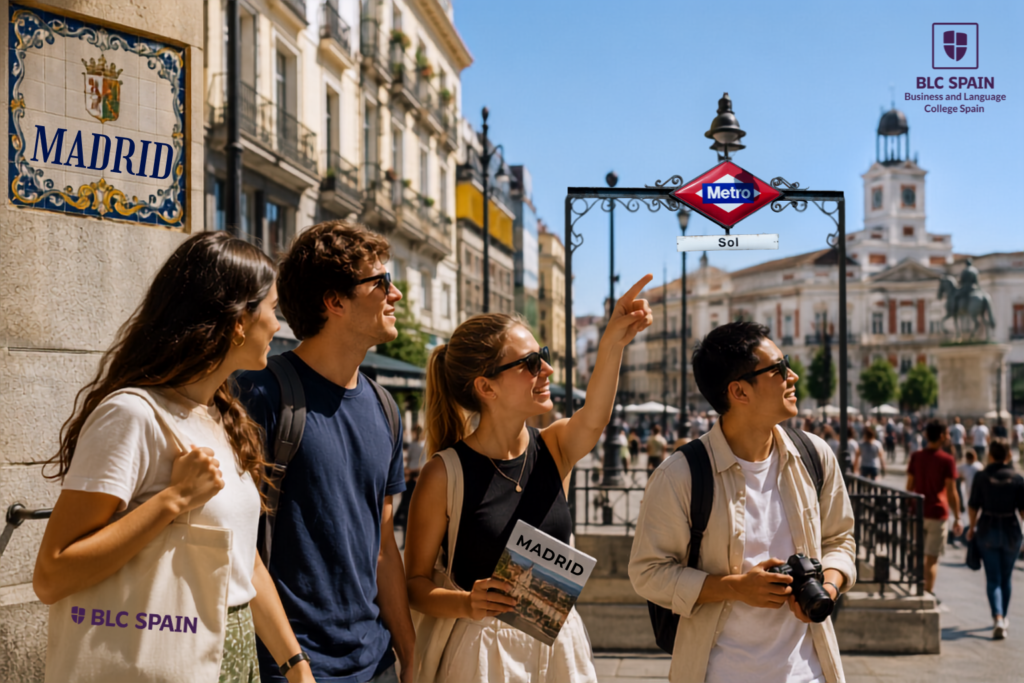
They find a local café they prefer. They develop opinions about neighbourhoods. They know which metro line is actually faster. They hear Spanish being used in contexts that no classroom would script, in arguments, in jokes, in the kind of fast, colloquial shorthand that native speakers use when they’re not performing for foreigners.
That shift, from observer to participant, is the real value of a summer immersion. And Madrid in July, with its slower pace and more accessible social texture, is where that shift happens fastest.
September looks different when you didn’t stop in July

When the academic year restarts in September, two groups of students walk in. One group paused. One group didn’t.
The ones who stayed in Madrid carry something the others don’t: months of uninterrupted immersion, a stronger command of everyday Spanish, a clearer sense of how the city works, and the quiet confidence that comes from having figured something out on your own terms.
That’s not a small advantage. In a competitive international environment, it’s the kind of preparation that shows.
BLC Spain’s programmes combine academic study, Spanish language learning, and full Madrid immersion. Explore what’s available at blcspain.com.